
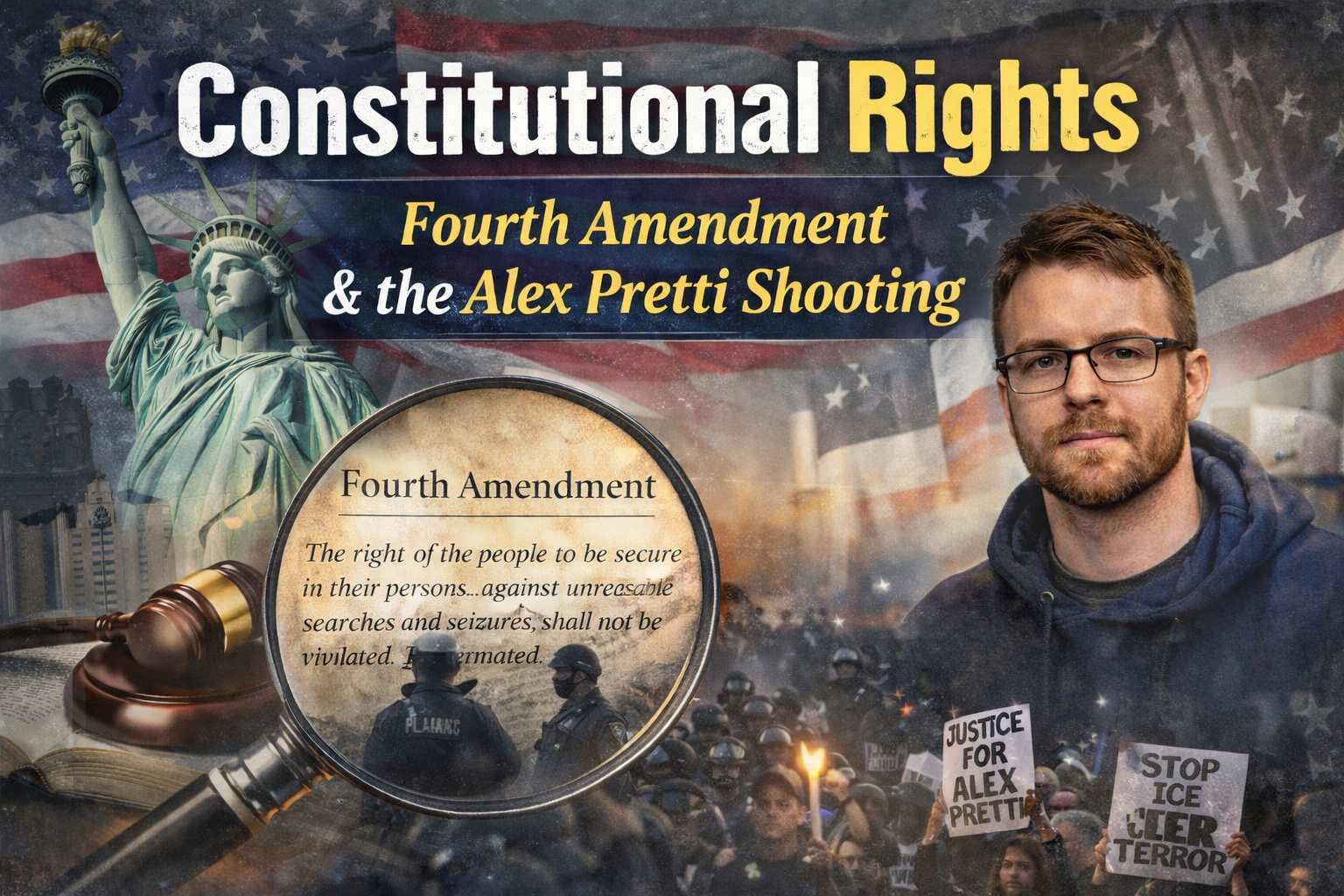
What Happened in Minneapolis: The Fatal Shooting of Alex Pretti
On January 24, 2026, federal agents from the U.S. Border Patrol and ICE were conducting enforcement operations in Minneapolis that had already sparked widespread community outrage. According to authenticated video and multiple news reports, Pretti was documenting federal agents and intervening to assist people near the scene when the confrontation escalated.
Contrary to early official claims that Pretti approached with a weapon, bystander video shows he was holding only a cell phone at the moment he was pepper-sprayed, tackled, and then shot while pinned to the ground.
Authorities later stated he had a concealed-carry handgun (which he legally owned), but available footage does not show him threatening officers when multiple shots were fired.
This incident occurred just weeks after another fatal shooting by an ICE agent—that of Renee Good—which had already sparked citywide protests. The killing of Pretti has since triggered large demonstrations across Minneapolis and other American cities, with protestors demanding accountability and an end to aggressive federal immigration enforcement.
Who Alex Pretti Really Was
Friends, family, and colleagues remember Pretti not as an aggressor but as a compassionate caregiver and community member:
-
ICU Nurse: Pretti worked at the Minneapolis VA hospital and was known as a dedicated healthcare professional.
-
Activist with a Big Heart: His parents said he “cared about people deeply” and was motivated by concern for justice and community well-being.
-
Family Quotes: His father described Alex as someone who was “very upset with what was happening in Minneapolis and throughout the United States with ICE, as millions of other people are upset.”
National figures, athletes, and public voices have also expressed mourning and demanded clarity and justice as investigations continue.
How the Fourth Amendment and Use of Force Law Intersect
When federal agents use force, constitutional analysis asks:
-
Was the use of force justified under the circumstances?
-
Was there an imminent threat that reasonably justified deadly force?
-
Did officers act reasonably based on what they knew at the time?
As legal scholars explain, the Fourth Amendment’s prohibition on unreasonable seizures makes it unconstitutional for officers to use deadly force unless they reasonably believe someone poses an immediate threat of serious harm. In Pretti’s case, the discrepancy between official statements and video evidence has amplified demands for transparent investigation and adherence to constitutional standards.
A federal judge has already ordered the Department of Homeland Security to preserve evidence in the case as part of a legal challenge by Minnesota authorities.
Your Right to Protest: A Constitutional Guarantee
The First Amendment protects the right to peaceably assemble and protest. Peaceful protests—whether about immigration enforcement, policing, or federal policy—are core constitutional rights.
Despite public safety concerns, law enforcement cannot arrest or use force against protestors simply for expressing dissenting views, as long as the protest remains peaceful and lawful.
Across the United States, thousands have protested Alex Pretti’s death and called for systemic change in immigration enforcement practices. These gatherings, in cities including New York, Boston, Los Angeles, and San Francisco, are reminders that the right to speak out against government is fundamental.
What Happens Next and Why This Matters
The Minneapolis shootings highlight profound constitutional questions about:
-
Federal law enforcement authority
-
Use of deadly force under the Fourth Amendment
-
The public’s right to document and protest government action
These issues go beyond local politics—they strike at the heart of civil liberties that define American democracy.
If you or someone you know is involved in protests, federal enforcement actions, or constitutional rights challenges related to immigration or law enforcement, it’s vital to understand how the law protects you—and when you need experienced legal representation.
As an immigration lawyer, I’m here to help explain your rights and the legal paths available under both civil rights law and constitutional protections.
Reliable Sources & Further Reading
-
Fourth Amendment & Use of Force: Legal standards explained — Verdict, Justia: key constitutional frameworks.
-
2026 Anti-ICE Protests: Overview of protests following the Minneapolis shootings.
This blog is written for general informational purposes only and does not constitute legal advice.


