
USCIS Shocks Immigration Community with January 1 2026 Memo: Pause on Benefits for Nationals from 39 Countries and Review of Refugees Admitted 2021–2025
USCIS Shocks Immigration Community with January 1 2026 Memo: Pause on Benefits for Nationals from 39 Countries and Review of Refugees Admitted 2021–2025
By Alena Shautsova, New York Immigration Lawyer
Contact: 917-885-2261
On January 1, 2026, U.S. Citizenship and Immigration Services (USCIS) issued a new “Hold and Review” policy memorandum (PM-602-0194) that dramatically expands an immigration benefits pause affecting nationals from 39 countries and requires a retroactive review of previously approved benefits for many individuals admitted since January 20, 2021. In parallel, a separate internal USCIS memo has directed a comprehensive review and potential re-interview of refugees admitted between January 21, 2021 and February 20, 2025 — an unprecedented shift in U.S. refugee and immigration policy.
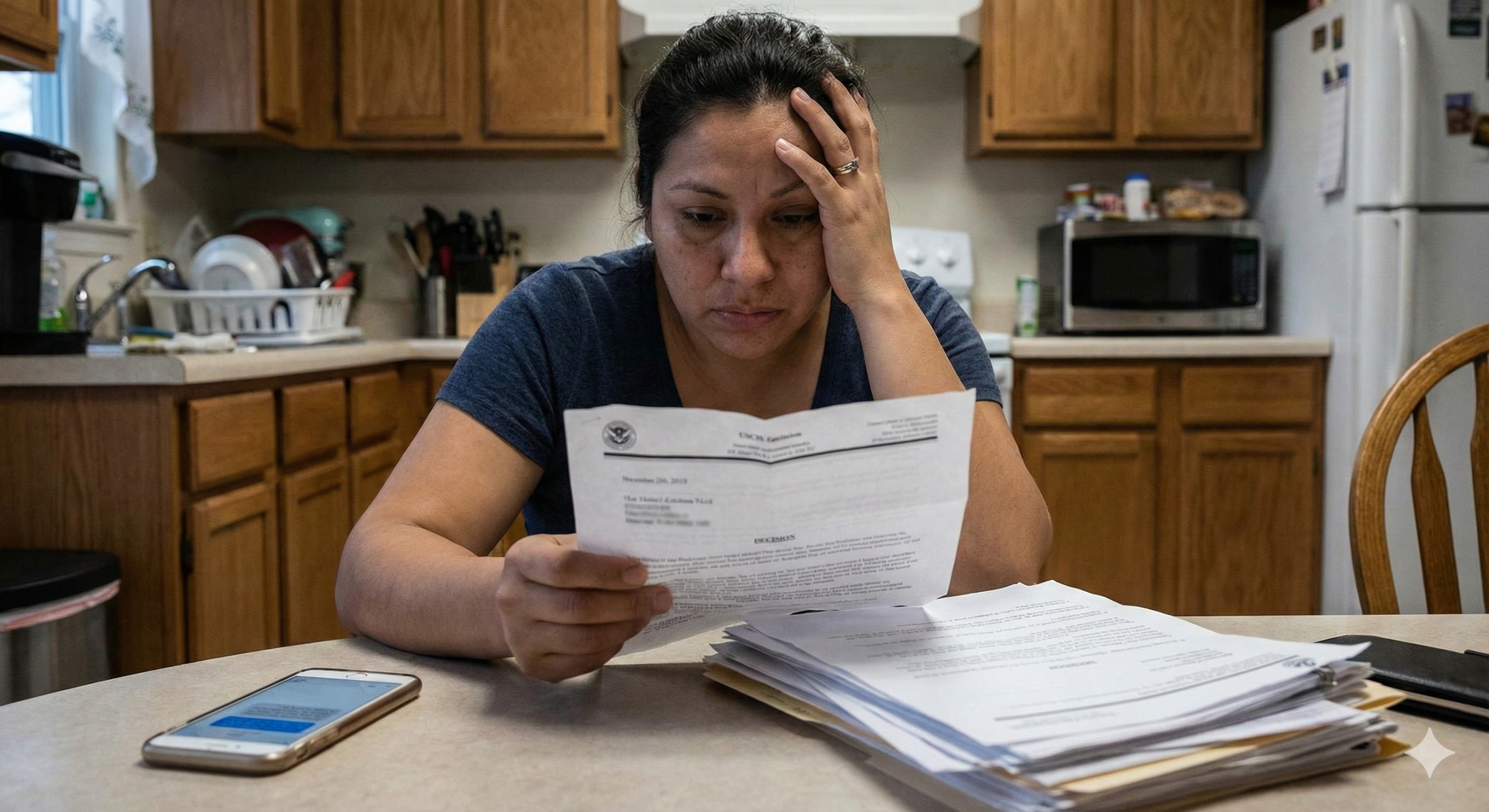
This update has created immediate uncertainty for thousands of immigrants, refugees, asylum seekers, and their families. This blog explains what these changes mean, who is affected, how USCIS is implementing them, and what you should do if your case may fall under these policies.
1. What Happened on January 1, 2026? USCIS Expands “Hold and Review” Policy
On January 1, 2026, USCIS formally implemented a policy memorandum titled “Hold and Review of USCIS Benefit Applications Filed by Aliens from Additional High-Risk Countries” (PM-602-0194). This policy expands a pause on adjudication of certain immigration benefit applications linked to countries on the expanded travel ban list. This includes 39 countries identified as posing “high-risk” national security or public safety concerns.
Key Actions USCIS Has Taken
Under the January 1 memo, USCIS must:
-
Place a hold on all pending benefit applications for nationals of the 39 high-risk countries, including family-based and employment-based petitions, adjustment of status (green card applications), naturalization, work permits, and other benefits.
-
Conduct a comprehensive review of USCIS policies, procedures, and vetting practices for benefit requests for individuals from the affected countries.
-
Re-review approved benefit requests retroactively for cases approved on or after January 20, 2021 involving these high-risk nationals — even if the benefit was already granted.
This retroactive review is particularly dramatic because it reaches years into the past, potentially affecting previously lawful approvals that had been considered final under standard immigration procedures.
2. Which Countries Are Affected by the 39-Country Pause?
The list of countries affected expands beyond the earlier 19 “high-risk” nations identified in late 2025. The expanded list of 39 countries includes—but is not limited to:
-
Afghanistan, Iran, Syria, Yemen, Somalia, Libya
-
Burkina Faso, Mali, Niger, South Sudan
-
Angola, Benin, Côte d’Ivoire, Nigeria, Senegal
-
Dominican Republic, Antigua and Barbuda, Tonga
-
Palestinian Authority travel document holders
…and several others subject to Presidential Proclamation 10998.
This list is tied to Presidential Proclamation (PP) 10998, issued on December 16, 2025, which expanded national security restrictions under INA §212(f).
Because these policies apply to anyone with a country of birth or citizenship on the list, the effects are not limited to visa applicants abroad — individuals already living in the United States with pending or previously approved benefits can be affected too.
3. Types of Immigration Benefits Affected
The “hold” affects a broad range of benefits, including:
-
Green Card Adjustment of Status (I-485)
-
Family-based visa petitions and consular processing cases
-
Work permits (Employment Authorization Documents / I-765)
-
Naturalization applications (N-400)
-
Asylum applications (I-589) — though asylum is separately paused (discussed below)
-
Nonimmigrant petitions (e.g., H-1B, L-1) filed by or for individuals from affected countries
Even if USCIS continues review or schedules interviews, no final decisions (approvals or denials) are generally issued while the hold is in place unless an exception applies.
Exceptions
USCIS may allow certain limited exceptions. Examples may include:
-
Replacement documents (I-90)
-
Limited asylum-based employment authorization ( c(8), (c(11) and c(14) when filed with the request by law enforcement)
-
Certain national interest cases
-
Professional athletes or key personnel for international events
These exceptions are narrow and typically require a compelling legal basis to qualify.
4. USCIS Will Re-Review Previously Approved Benefits (Retroactive Review)
One of the most alarming aspects of PM-602-0194 is the retroactive review requirement:
-
If USCIS approved an immigration benefit for someone from a high-risk country on or after January 20, 2021, that approval is subject to a comprehensive re-review.
This means USCIS can revisit past approvals — including green cards, work authorizations, and other benefits — to reassess national security risks, identity verification, fraud concerns, or other eligibility issues.
This kind of retroactive review is unprecedented, and raises serious legal concerns about reliance interests and fairness for individuals who believed their immigration status was conclusively resolved.
5. Parallel USCIS Memo: Review of Refugees Admitted 2021–2025
In addition to the January 1 memo, USCIS issued a separate internal memo in late November 2025 (effective contemporaneously). This memo directs USCIS to:
-
Review and potentially re-interview all refugees admitted to the United States between January 21, 2021 and February 20, 2025 — an estimated 200,000+ cases.
-
Halt adjudication of adjustment of status applications (green cards) filed by those refugees, their derivatives, and follow-to-join family members.
This policy means USCIS will revisit cases that already went through the most rigorous security vetting in U.S. immigration law. Refugees undergo multiple levels of screening — including international refugee agency checks, extensive vetting by multiple U.S. agencies, in-person interviews, and biometric background checks — before lawful admission.
Under normal U.S. law and practice, once a refugee is lawfully admitted, that admission is final absent fraud or clear legal grounds to revoke it. A blanket policy of re-interviewing thousands of otherwise legally admitted refugees is unprecedented and unprecedentedly disruptive.
6. How This Affects You or Your Clients
If You Are an Immigrant from One of the 39 Countries
-
Pending benefits may be paused indefinitely — you may experience substantial delays across all USCIS benefit categories.
-
USCIS may request additional documents, identity verification, or interviews before issuing a final decision.
-
Previously approved benefits may be re-reviewed and even revoked — this could include green cards or employment authorizations you relied upon.
If You Are a Refugee Admitted Between 2021–2025
-
Your adjustment of status (green card) process may be paused.
-
USCIS may contact you for a new interview or additional security review.
-
There is a risk — however uncertain — that refugee status or previously approved benefits could be re-evaluated, prolonged, or temporarily halted.
If You Are an Asylum Seeker
The broader December 2025 guidance (which is still in effect) already placed a pause on all asylum adjudications (Form I-589) regardless of nationality.
7. What Should Immigrants Do Now?
Here’s practical guidance:
1. Contact an Experienced Immigration Lawyer Immediately
These policies are complex and evolving. A lawyer can help you:
-
Assess how the January 1 memo affects your case
-
Prepare supplemental evidence or responses
-
Advocate for national interest or security exceptions
Call the Law Office of Alena Shautsova: 917-885-2261
2. Keep Your USCIS Notices Organized
If USCIS contacts you for additional evidence, interviews, or requests — respond promptly. Delays can further stall your case.
3. Monitor Official USCIS Updates and Legal Challenges
These policies are likely to be litigated. Court orders or injunctions could limit or overturn parts of these memo directives.
4. Prepare for Longer Wait Times
Processing timelines are now highly unpredictable. Plan travel, work, and family decisions accordingly.
8. Conclusion: A Challenging New Era in U.S. Immigration Policy
The USCIS January 1, 2026 policy memo and associated directives represent a significant shift in U.S. immigration administration — combining broad pauses on benefits, retroactive reviews, and unprecedented refugee case reassessments. Whether you are pursuing a green card, work authorization, citizenship, or preparing for future immigration steps, it is more critical than ever to have experienced legal representation guiding you through these changes.
At the Law Office of Alena Shautsova, we stand ready to help you and your family navigate these uncertain times. Call 917-885-2261 for a thorough case review and personalized immigration strategy.


