
How VAWA Is Different
How VAWA Is Different
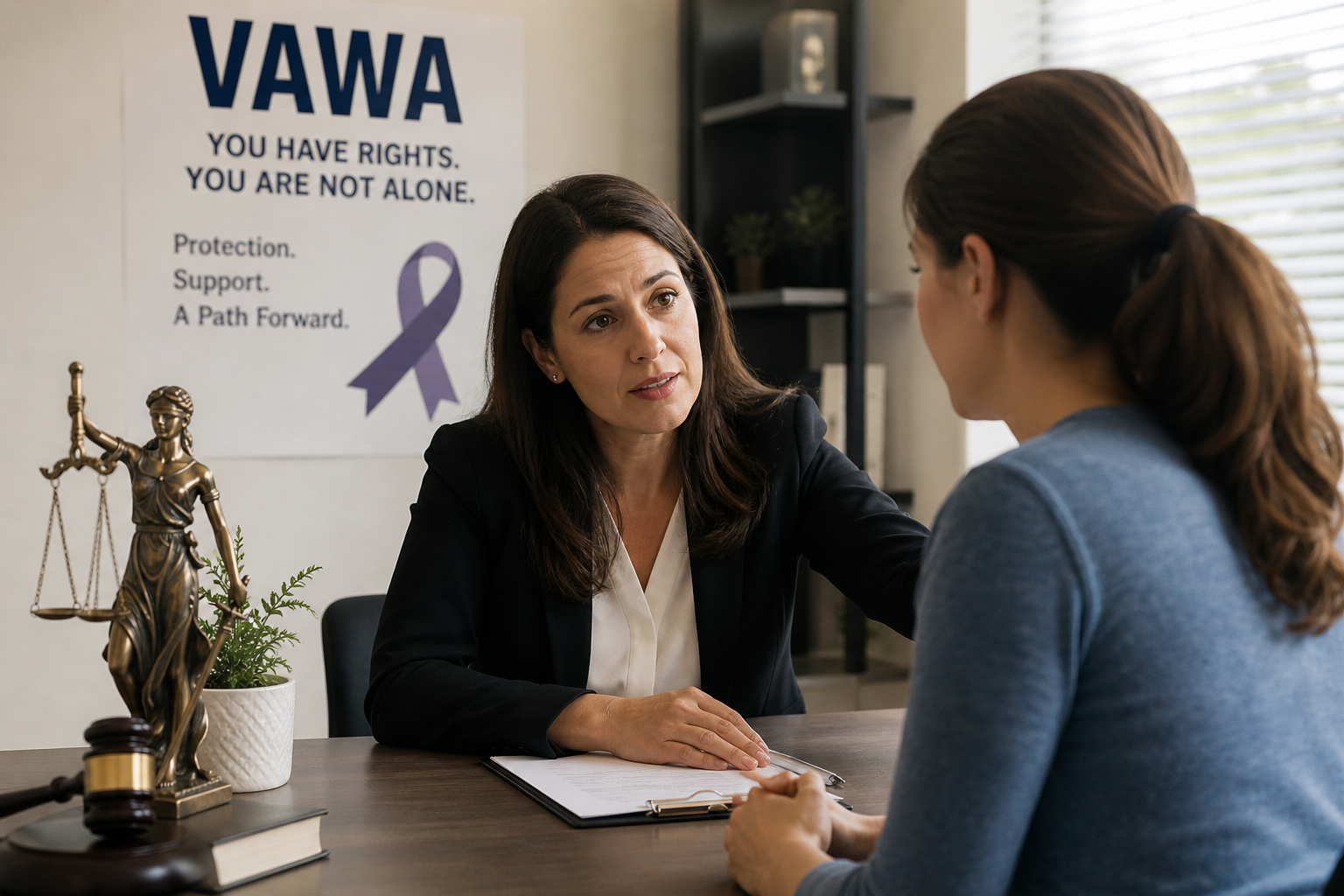
If you are in a difficult or abusive relationship and your immigration status depends on your spouse, you may feel trapped, afraid, and unsure of your options. I want you to know this clearly: you are not alone, and U.S. immigration law provides protection for you.
As a New York Immigration Lawyer, I have helped many individuals in exactly this situation—people who thought they had no way out because their abusive spouse controlled their immigration process. One of the most powerful protections available is called VAWA (Violence Against Women Act).
Despite its name, VAWA is not limited to women. It protects men, women, and children who have been abused by a U.S. citizen or lawful permanent resident spouse or parent.
In this blog, I will explain—in plain, human terms—how VAWA is different from a regular family petition, what makes it unique, what you need to prove, and how you can build a strong case.
What Is VAWA?
VAWA allows you to self-petition for immigration status without the help or knowledge of your abusive spouse or parent.
In a typical immigration case, your U.S. citizen or green card holder spouse must:
- File a petition for you
- Attend interviews
- Support your case
But under VAWA:
👉 You file for yourself
👉 Your abuser is not involved
👉 Your case remains confidential
This is one of the most important differences—and one that can literally change lives.
How VAWA Is Different From a Regular Family Petition
Let’s break this down in a practical way.
- You Do NOT Need Your Spouse to Sponsor You
In a regular marriage-based green card case:
- Your spouse controls the process
- If they withdraw support, your case may collapse
In a VAWA case:
- You take control
- You file independently
- Your abuser cannot cancel your case
- Entry Without Inspection May Still Be Forgiven
This is one of the most powerful benefits.
Normally, if you entered the U.S. without inspection (EWI), you cannot adjust status inside the U.S. through a regular family petition (with limited exceptions).
But with VAWA:
👉 If your VAWA petition is approved, you may still apply for Adjustment of Status—even if you entered without inspection
This is life-changing for many people who otherwise would be stuck.
- Waivers Are Easier Under VAWA
In many immigration cases, if you need a waiver (for unlawful presence, fraud, or other issues), you must show:
👉 Extreme hardship to your U.S. citizen or permanent resident spouse or parent
This can be very difficult.
But under VAWA:
👉 You can show hardship to yourself
This is a major difference.
Practical Example:
- Regular case: You must prove your spouse would suffer without you
- VAWA case: You can prove you would suffer
This gives you significantly more flexibility and control over your case.
- You Can File During Marriage OR After Divorce
Many people think:
“It’s too late. I already got divorced.”
That is not always true.
Under VAWA:
- You can file while still married
- OR within 2 years after divorce, if the divorce is connected to the abuse
This gives survivors time to safely leave the relationship and still pursue immigration relief.
- You Must Prove a Real Marriage + Abuse
This is where VAWA cases require careful preparation.
To qualify, you must show:
- The Marriage Was Real (Good Faith Marriage)
You did not marry just for immigration purposes.
- You Were Subjected to Abuse or Extreme Cruelty
This does NOT have to mean physical violence.
Abuse can include:
- Emotional abuse
- Psychological manipulation
- Financial control
- Threats (including immigration threats)
- Isolation
What Does Abuse Look Like in Immigration Cases?
Many clients tell me:
“But I was never hit… does it still count?”
Yes, it often does.
Examples of qualifying abuse:
- Your spouse threatens deportation
- They control all money and leave you with nothing
- They insult, humiliate, or isolate you
- They refuse to file immigration papers as a way to control you
- They monitor your movements or communications
Immigration law recognizes “extreme cruelty”, not just physical violence.
What Documents Are Used in a VAWA Case?
A strong VAWA case is built through evidence.
Here is a practical list of documents typically used:
Proof of Relationship (Marriage Was Real)
- Marriage certificate
- Joint lease or mortgage
- Joint bank accounts
- Photos together
- Travel records
- Text messages or emails
- Affidavits from friends and family
Proof of Shared Life
- Utility bills in both names
- Insurance policies
- Children’s birth certificates
- School or medical records
Proof of Abuse
This can vary widely:
- Personal statement (VERY important)
- Therapist or психолог reports
- Messages showing threats or control
- Witness statements
- Photos of injuries (if applicable)
- Medical records
- Police reports
Important Note About Police Reports
Many people worry:
“I never called the police… does that mean I don’t have a case?”
No.
👉 A police report helps—but it is NOT required.
USCIS understands that:
- Many victims are afraid to report abuse
- Cultural and immigration fears prevent reporting
Your case can still be strong without it.
Your Personal Statement Is Critical
In VAWA cases, your story matters.
You must clearly explain:
- How the relationship started
- Why you entered the marriage in good faith
- How the abuse developed
- How it affected you emotionally and psychologically
This is often the heart of the case.
Benefits of VAWA for Children (Derivatives)
VAWA does not only protect you—it can also protect your children.
Benefits include:
- Your children may be included as derivatives
- They can receive immigration benefits through your case
- They do NOT need to be abused themselves
Practical Example:
A mother files a VAWA petition based on abuse by her U.S. citizen spouse.
👉 Her children can:
- Be included in the petition
- Apply for green cards with her
This is critical for families trying to rebuild their lives.
Adjustment of Status After VAWA Approval
Once your VAWA petition is approved, you may apply for a green card (Adjustment of Status).
Benefits include:
- Work authorization
- Protection from removal (in many cases)
- Path to permanent residency
And again, one of the most important advantages:
👉 Even if you entered without inspection, VAWA may still allow you to adjust status
Practical Advice for VAWA Applicants
Let me give you real, practical guidance based on experience.
- Do Not Stay in Abuse for Immigration Purposes
Many people stay because they believe:
“I need my spouse for my papers.”
This is not true under VAWA.
You have options.
- Start Collecting Evidence Early
Even small things matter:
- Messages
- Photos
- Notes
- Witnesses
Do not wait.
- Be Honest and Detailed
Your case is built on credibility.
Do not exaggerate—but do not minimize your experience either.
- Get Psychological Support if Possible
A therapist’s report can:
- Strengthen your case
- Help explain emotional abuse
- Provide professional credibility
- Timing Matters
Remember:
- You can file during marriage
- Or within 2 years after divorce
Do not miss this window.
- Do Not File Without Understanding Strategy
VAWA cases are complex.
Mistakes can include:
- Weak personal statements
- Missing evidence
- Filing at the wrong time
- Not addressing prior immigration issues
Why Hiring an Experienced Immigration Lawyer Matters
VAWA is not just paperwork—it is storytelling, legal strategy, and evidence-building.
As a New York Immigration Lawyer, I approach VAWA cases with:
- Sensitivity
- Confidentiality
- Strategic legal planning
Because I understand:
👉
👉 This is not just a case. This is your life, your safety, and your future. VAWA (Violence Against Women Act) services I provide focus on helping survivors of abuse obtain lawful status in the United States safely and independently. You can apply for a green card without relying on your abusive U.S. citizen or permanent resident spouse, parent, or child by filing a VAWA self-petition (Form I-360). I guide you through every step, including preparing strong evidence of the relationship, abuse, and good moral character, ensuring your case meets USCIS requirements. My approach is confidential, strategic, and tailored to protect you while maximizing your chances of approval. VAWA applies to spouses, children, and even parents of abusive U.S. citizens, offering a powerful pathway to legal status and long-term security.
For dependents, VAWA allows certain family members to be included or to benefit from the petition. Children of an abused spouse may be added as derivatives, and in some cases, they may file their own petitions if they were also victims of abuse. I help structure your case so your children or qualifying dependents are properly included, ensuring they receive protection and immigration benefits alongside you. The process requires careful documentation and eligibility analysis, and I provide full legal support to secure status for the entire family while maintaining safety and compliance with immigration law.
You Are Not Alone
If you are reading this and recognizing your situation, I want you to hear this:
👉 You are not trapped
👉 You are not powerless
👉 You have legal options
VAWA exists to protect you.
Speak With an Immigration Lawyer
If you are considering a VAWA case, it is important to act carefully and strategically.
Every case is unique, and the right approach depends on:
- Your immigration history
- Your relationship history
- Your available evidence
📞 Call: 917-885-2261
🌐 Visit: www.shautsova.com
VAWA is one of the most powerful forms of immigration relief available.
It is different from a regular family petition because:
- You control the case
- You do not depend on your abuser
- You may qualify even after divorce
- You can show hardship to yourself
- You may adjust status even after entry without inspection
Most importantly:
👉 It gives you a path forward—on your own terms.
If you are in a difficult situation, take the first step. The law is on your side.


