
New Bill in Congress Seeks to End “Chain Migration” and the Diversity Visa Lottery: What Immigrants Need to Know
New Bill in Congress Seeks to End “Chain Migration” and the Diversity Visa Lottery: What Immigrants Need to Know
Author: New York Immigration Lawyer Alena Shautsova
Immigration news from Washington often brings uncertainty, but some proposals are especially concerning for people who hope to immigrate to the United States legally. A new legislative initiative from conservative members of the U.S. House of Representatives proposes sweeping changes to the U.S. legal immigration system—changes that could dramatically reduce opportunities for families and diversity-based immigrants.
Rather than focusing on improving the immigration system or fixing long-standing problems such as backlogs, processing delays, and visa shortages, some lawmakers are pushing for legislation designed to restrict legal immigration pathways.
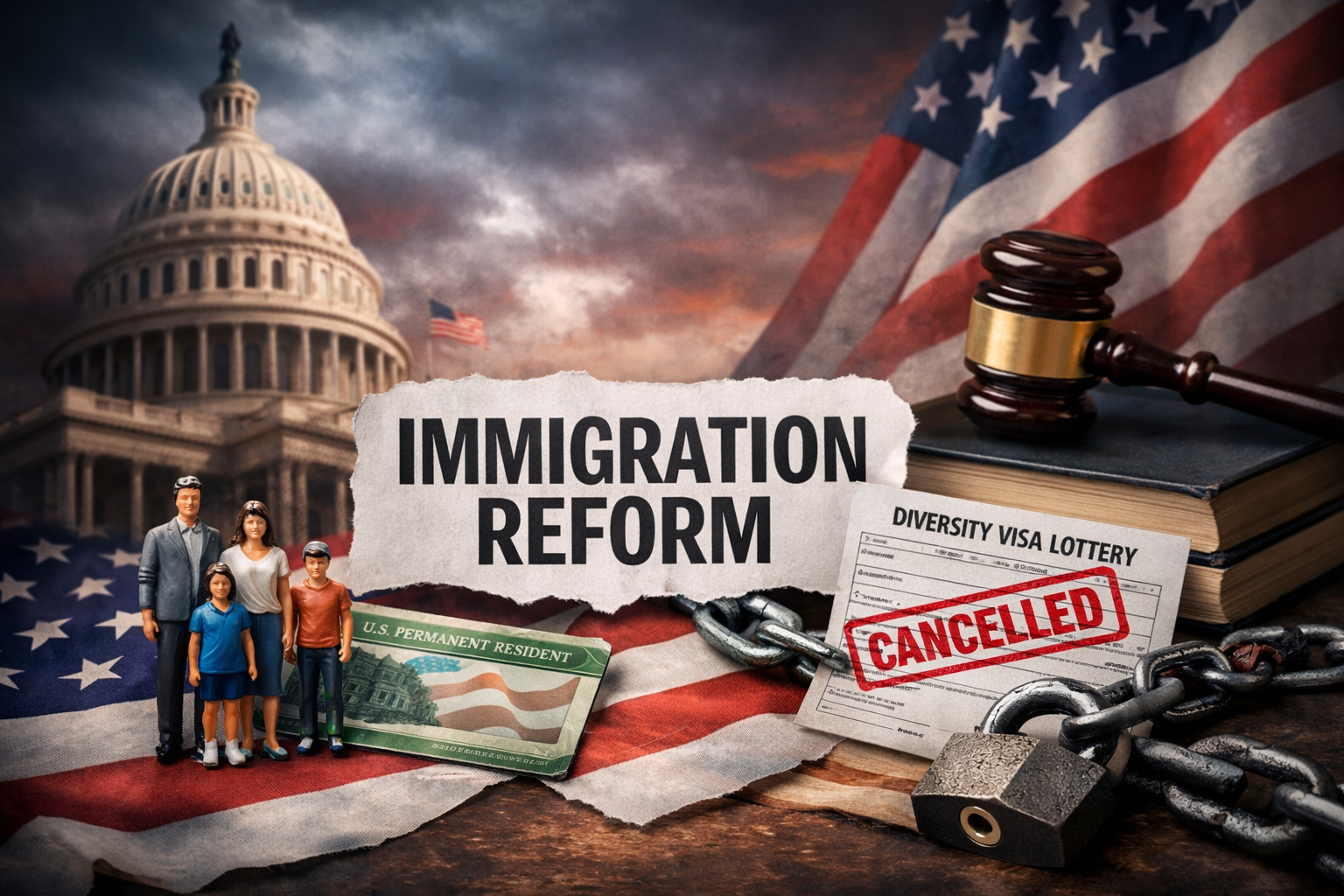
This proposal has been described as an overhaul of legal immigration that would eliminate what critics call “chain migration,” abolish the Diversity Visa Lottery program, and restructure family-based immigration. If passed, the bill could significantly reshape how immigrants come to the United States.
In addition, the Bill proposes to install new mandatory security checks that would include vetting one’s social media, and online activity:
“People seeking to immigrate to the U.S. would have to qualify under an expanded set of “good moral character requirements” as well. Prospective immigrants accused of gang affiliation and who have prior arrest records for domestic violence or driving under the influence — even without convictions — could risk being ineligible.
Other circumstances that could hinder eligibility under that standard include misuse of public benefits, any immigration violation like visa overstays and tax delinquency.
Mandatory vetting to confirm “good moral character” would include “enhanced background checks, including social media review and in-person interviews.”
Let’s examine what this proposal means and why it matters.
What the Proposed Immigration Bill Would Do
The legislation promoted by conservative lawmakers aims to dramatically change the current legal immigration structure in the United States. The proposal centers on several major policy changes.
- Ending “Chain Migration”
One of the central goals of the bill is to eliminate what lawmakers describe as “chain migration.” This term refers to the ability of U.S. citizens and lawful permanent residents to sponsor certain family members for immigration.
Under the current Immigration and Nationality Act, family-based immigration allows U.S. citizens and green card holders to sponsor:
- Spouses
- Children
- Parents (for U.S. citizens)
- Adult sons and daughters
- Brothers and sisters
The proposed legislation would drastically reduce these family immigration options. Under the proposal, family-based immigration would largely be limited to spouses and minor children only, eliminating several long-standing visa categories.
That means immigrants could lose the ability to petition for:
- Parents
- Adult children
- Brothers and sisters
Supporters of the bill argue that this change would reduce overall immigration and shift the system toward a more limited definition of family sponsorship.
However, critics warn that this proposal would separate families for decades and undermine the core principle that family unity should be a foundation of U.S. immigration law.
- Eliminating the Diversity Visa Lottery
Another major component of the proposal is the elimination of the Diversity Visa (DV) Program, commonly known as the green card lottery.
Currently, the Diversity Visa program grants up to 55,000 green cards per year to individuals from countries with historically low immigration levels to the United States.
The program was designed to ensure that U.S. immigration remains geographically diverse.
Under the proposed legislation:
- The diversity visa program would be abolished.
- Green cards would no longer be distributed through the lottery system.
Supporters claim the lottery system is arbitrary because immigration status can depend on chance rather than skills or family ties.
But critics emphasize that the program provides one of the few legal pathways for immigrants from many countries that do not otherwise have strong family or employment-based immigration opportunities.
For many immigrants, the diversity visa lottery is the only realistic path to permanent residence.
- Dramatically Reducing Family-Based Immigration
In addition to ending certain family categories, some proposals connected to this legislative effort would reduce the total number of family-sponsored visas issued each year.
For example, similar legislative efforts have suggested cutting family-based visas significantly and limiting immigration to nuclear family members only.
Supporters of this approach argue that immigration should prioritize economic contributions and skills rather than extended family relationships.
However, critics say this approach misunderstands the role of family in immigration policy and would lead to long-term family separation.
- Shifting Toward a More Restrictive Immigration System
Some lawmakers promoting these reforms have also suggested additional measures that could accompany the overhaul, including:
- Freezing immigration temporarily while reforms are implemented
- Increasing ideological or security screening
- Replacing family immigration with a more limited or merit-based system
These proposals reflect a broader political movement that seeks to significantly reduce legal immigration levels in the United States.
Similar ideas have appeared in previous legislation such as the RAISE Act, which proposed cutting legal immigration by roughly half and replacing family-based immigration with a points-based system.
Why This Is Concerning News for Immigrants
From an immigration law perspective, this proposal is troubling for several reasons.
It focuses on restricting legal immigration
The United States immigration system already faces serious problems:
- Massive visa backlogs
- Processing delays at USCIS
- Years-long waits for family reunification
- Limited visa availability
Instead of solving these problems, the proposed legislation focuses on reducing immigration pathways altogether.
It threatens family unity
Family reunification has been the cornerstone of U.S. immigration law since the Immigration and Nationality Act of 1965.
Restricting sponsorship only to spouses and minor children would permanently separate millions of families.
Parents, adult children, and siblings could lose their legal pathway to reunite with loved ones in the United States.
It eliminates one of the few pathways for many countries
The Diversity Visa Lottery helps maintain geographic diversity in immigration.
Without it, individuals from many regions—especially Africa and parts of Eastern Europe—may have almost no practical way to obtain a green card.
The Political Debate Behind These Proposals
Supporters of the bill argue that reducing legal immigration would:
- Protect American workers
- Strengthen national security
- Shift immigration toward economic contributions
Critics respond that immigration strengthens the U.S. economy and helps address labor shortages.
Many economists believe immigrants contribute positively to economic growth, innovation, and entrepreneurship.
The debate over immigration policy is deeply political, and proposals like this often face intense opposition before becoming law.
What Happens Next?
At this stage, the proposal is only a legislative initiative. For it to become law, it would need to:
- Pass the House of Representatives
- Pass the Senate
- Be signed by the President
Many immigration bills never reach that stage.
However, proposals like this are important signals about the direction immigration policy debates may take in the future.
Practical Advice for Immigrants
If you are considering immigrating to the United States or sponsoring family members, it is important to act proactively.
Here are a few practical tips:
File petitions as early as possible
Immigration laws change frequently. Filing sooner may preserve eligibility under existing rules.
Monitor legislative developments
Changes to immigration law can affect eligibility categories and waiting times.
Seek legal advice
An experienced immigration lawyer can help you understand how policy changes might affect your case.
Final Thoughts
The proposed immigration overhaul is concerning because it focuses primarily on restricting legal immigration pathways rather than improving the system.
Ending the Diversity Visa program and eliminating several family-based immigration categories would significantly reduce opportunities for immigrants who wish to come to the United States legally.
While the future of this legislation remains uncertain, immigrants and their families should stay informed and seek legal guidance to protect their immigration options.
If you have questions about immigration options, family petitions, or green card eligibility, contact my office for professional legal guidance.
Law Office of Alena Shautsova
📞 917-885-2261
🌐 www.shautsova.com
An experienced New York immigration lawyer can help you understand your options and protect your future in the United States.


