
A Major Shift for VAWA I-360 Cases—USCIS Can Now Use “Prohibited Source” Information
A Major Shift for VAWA I-360 Cases—USCIS Can Now Use “Prohibited Source” Information
If you’re filing a VAWA self-petition (Form I-360), you’ve always had powerful protections meant to prevent an abuser from using the immigration system to control you. One of the most important is the “prohibited source” rule—the idea that the government generally should not rely on information provided by an abuser (or similar perpetrators) to take harmful action against a survivor.
But USCIS’s December 22, 2025 Policy Manual update signals a major shift: USCIS now states that, in certain situations (including denial of a VAWA I-360), the “prohibited source” protections do not apply—meaning USCIS may rely on information from a prohibited source when adjudicating or denying cases.
This is a big deal. And it can materially affect how you should prepare your VAWA case from day one.
If you want help building a strong VAWA strategy in light of this update, call my office: 917-885-2261 (consultations by appointment).
What is a “Prohibited Source” and why it mattered so much
VAWA confidentiality protections under 8 U.S.C. § 1367 are often discussed as “privacy,” but they include more than that. They also include source restrictions designed to stop immigration agencies from relying on information from certain bad actors—commonly, the abuser or a person connected to the abuser.
The underlying purpose is simple: an abuser should not be able to sabotage your immigration case by feeding USCIS lies or selective information—and the government should not become a tool of the abuse.
Advocacy resources that summarize these protections describe prohibited sources broadly as perpetrators of domestic violence and other serious crimes, and emphasize that the rule is meant to prevent adverse immigration consequences based on perpetrator-provided information. 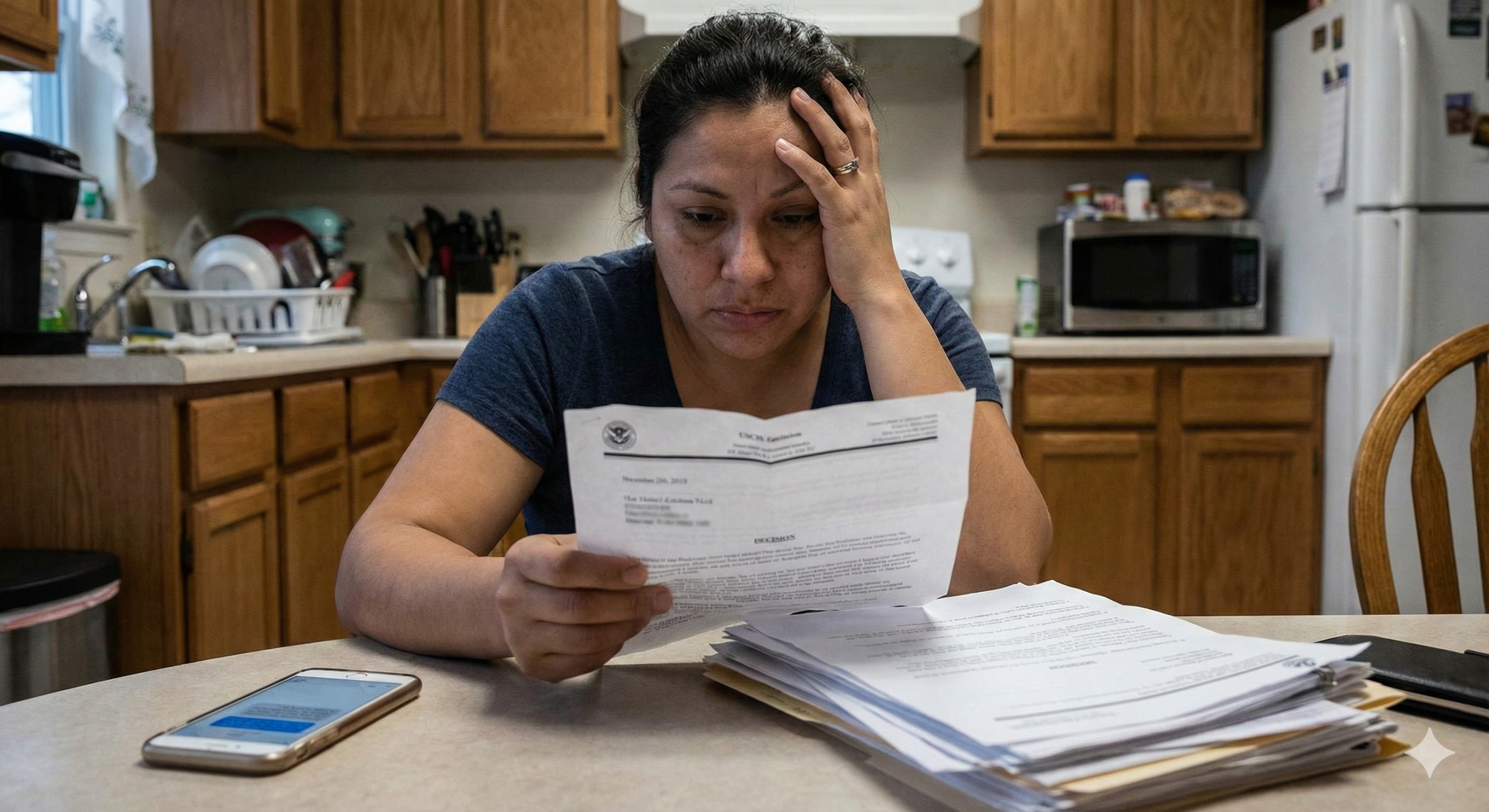
What USCIS changed on Dec. 22, 2025: the “prohibited source” carve-out
The December 22, 2025 update (referenced in USCIS’s Policy Manual update materials) states—critically—that “prohibited source” protections under 8 U.S.C. § 1367(a)(1) do not apply in at least two situations:
-
If DHS determines the person has been convicted of certain crimes under INA § 237(a)(2), or
-
If DHS is not making an adverse determination regarding admissibility or deportability—and USCIS gives as an example the denial of a Form I-360 VAWA self-petition. USCIS+1
Read that again: USCIS is explicitly using “denial of Form I-360” as an example of a situation where prohibited-source protections don’t apply. USCIS
Why that’s harmful
Because in real life, many survivors face exactly this scenario:
-
The abuser finds out you filed (or suspects it),
-
The abuser contacts USCIS (directly or indirectly),
-
The abuser provides “evidence” designed to destroy your credibility—texts taken out of context, selective screenshots, accusations of fraud, claims you “only married for papers,” etc.
Historically, your legal team could push back hard on the idea that USCIS should not rely on abuser-furnished information to harm you. This update makes USCIS’s position much more dangerous for VAWA applicants: USCIS is signaling it may consider and use that information to deny. USCIS
What this means in practice for VAWA I-360 cases
1) Expect more “derogatory information” issues
If USCIS receives negative allegations from an abuser, you may see:
-
Requests for Evidence (RFE)
-
Notices of Intent to Deny (NOID)
-
More intensive credibility scrutiny
Even if USCIS doesn’t disclose the abuser’s communication verbatim, it can show up as “inconsistencies,” “insufficient evidence,” or “credibility concerns.”
2) Case preparation needs to be stronger and more “front-loaded”
This update increases the value of filing an I-360 that is:
-
Over-documented on good-faith marriage (where applicable)
-
Detailed on battery/extreme cruelty
-
Consistent across declarations, exhibits, timelines, and third-party corroboration
3) Safety and privacy planning still matter—but won’t solve the “prohibited source” issue
VAWA confidentiality rules still exist to reduce disclosure and protect survivors, but the harm here is different: it’s about USCIS’s willingness to use certain information for decisions in I-360 adjudications. USCIS+1
Practical tips to protect your VAWA case after this update
Tip 1: Build your case as if the abuser will try to sabotage it
You should assume USCIS could receive a hostile narrative. Prepare accordingly:
-
Create a timeline (relationship, escalation, key incidents, separation).
-
Write a declaration that is specific, chronological, and consistent.
-
Include corroboration: therapy notes (where appropriate), police reports (if any), medical records, shelter letters, affidavits from friends/family, photos, contemporaneous messages.
The goal is to make USCIS see a clear, well-supported story that is harder to undermine with last-minute accusations.
Tip 2: Pre-empt credibility attacks
Abusers commonly claim:
-
“They were the abuser, not me.”
-
“They only married for papers.”
-
“They’re lying about the abuse.”
Pre-empt this by submitting:
-
Proof of commingled life (leases, bills, insurance, joint finances where safe/possible)
-
Proof of shared residence and relationship history
-
Proof of post-separation abuse tactics, including immigration threats and coercive control (screenshots, call logs, witness letters)
Tip 3: If you receive an RFE/NOID, treat it like an emergency legal project
Do not answer casually. A strong response often includes:
-
A structured legal argument (what the law requires, what you submitted, what USCIS overlooked)
-
Exhibit-indexed rebuttal evidence
-
A credibility “repair” section (explaining inconsistencies with context)
This is where experienced counsel can make the difference between denial and approval.
Tip 4: Be careful with what you send USCIS—quality beats volume
Don’t dump chaotic evidence. Organize it:
-
Exhibit list
-
Labels and dates
-
Short explanations tying each document to an element of eligibility
A clean filing reduces misunderstandings that an abuser can exploit.
Tip 5: Avoid “reactive” filings driven by fear
Some survivors panic and file quickly with thin evidence because they’re afraid. After this update, a rushed filing can be more vulnerable to a prohibited-source attack. If it’s safe to take time to build a strong package, that’s often wiser.
What about U and T visas?
You asked about VAWA, U, and T, and the confidentiality framework arises from the same statute, 8 U.S.C. § 1367. Advocacy resources emphasize that confidentiality protections exist to prevent perpetrators (including traffickers and other criminals) from weaponizing the system and to prevent disclosure that could put victims in danger.
However, the point you flagged—the ability to use prohibited-source information—is especially alarming in the VAWA I-360 context, because USCIS explicitly names I-360 denial as an example in the update summary. USCIS
Bottom line: this update changes how you should strategically file VAWA
If USCIS is signaling it can use prohibited-source information to deny I-360 cases, you must treat VAWA preparation as both:
-
a humanitarian filing, and
-
a defensive filing against misinformation.
That’s not how the law was intended to function for survivors—but it’s the reality you must plan for now.
If you’re preparing a VAWA case (or you already filed and you’re worried about an abuser interfering), contact my office to discuss a strategy tailored to your facts.
Alena Shautsova — New York Immigration Lawyer
VAWA • U Visa • T Visa • Removal Defense
☎️ 917-885-2261


