
USCIS Shortens Work Permit Validity in 2025: What Immigrants Must Know About the New EAD Rules
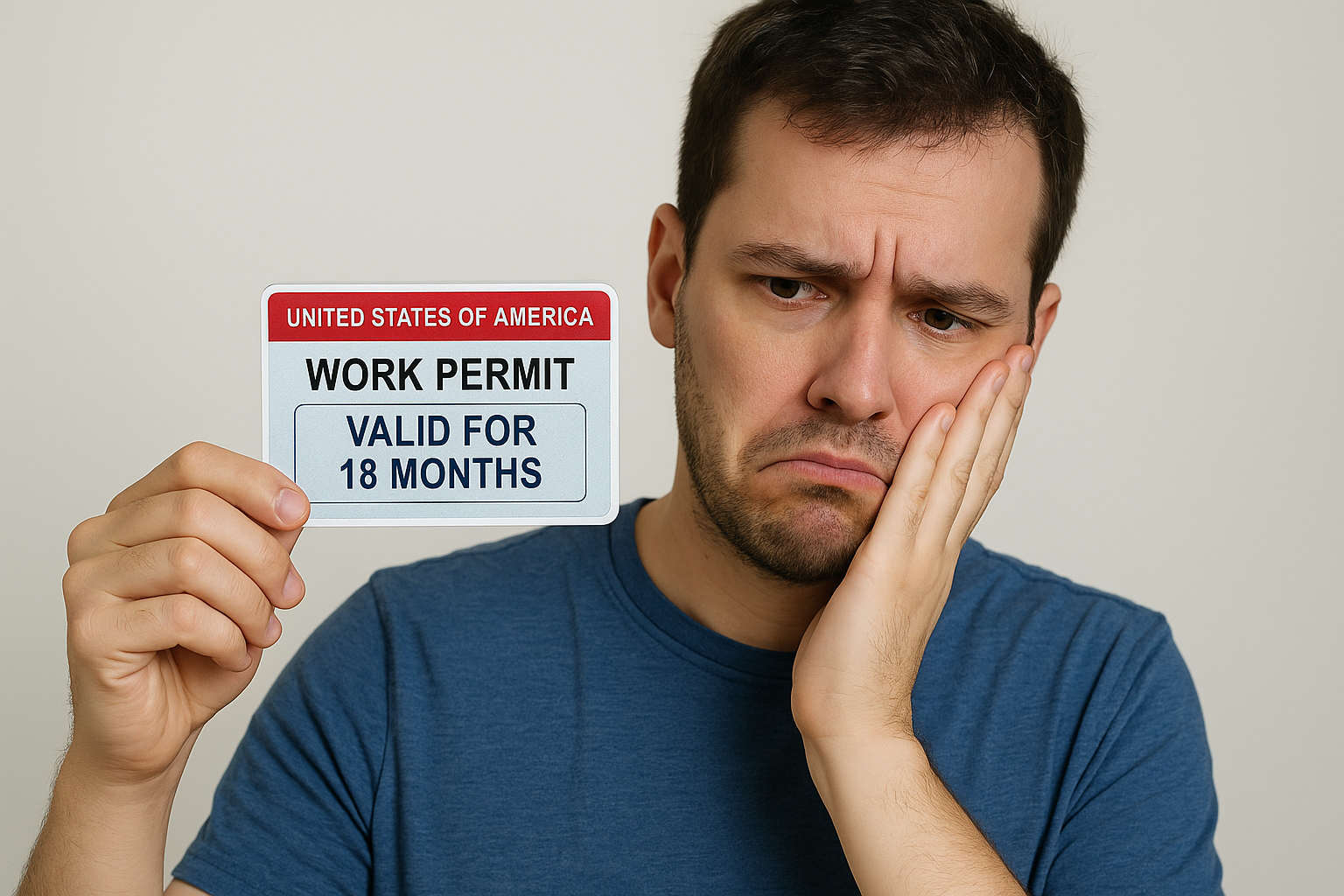
As a New York Immigration Lawyer, I help thousands of immigrants navigate the complex U.S. immigration system every year. Recently, USCIS announced significant changes that shorten the validity of many Employment Authorization Documents (EADs) and remove automatic extensions for numerous categories. These changes will impact millions of immigrant workers across the United States — potentially affecting employment, driver’s licenses, income, and long-term stability.
If you rely on a work permit, especially in New York where I practice, you must understand how these new rules work and how to protect yourself.
In this article, I break down the new policies, explain which EAD categories are affected, and share practical, real-world advice to help you avoid losing your job or immigration status.
For consultations, contact me directly at 917-885-2261 or visit www.shautsova.com.
What Changed: USCIS Shortens EAD Validity and Ends Automatic Extensions
Under the new USCIS policy:
- Many EADs now have shorter validity periods — often 12–18 months.
This is a major shift from the previous 2–5 year validity common in many categories.
- Most automatic extensions of work permits are eliminated.
Previously, filing a timely I-765 allowed you to continue working while your renewal was pending.
Now — for most categories — your employment authorization ends the moment your EAD expires, unless USCIS has approved the renewal.
- Humanitarian-based categories now receive short EADs tied to the length of status.
This includes parole-based EADs and many humanitarian protections.
As a result, immigrants will face more frequent renewals, more fees, and a greater risk of falling out of work authorization due to USCIS processing delays.
EAD Categories Affected by the New USCIS Shortened Validity
The new rules affect a wide range of immigration categories, including many of the most common ones used by applicants in New York and across the United States.
Adjustment of Status / Green Card Applicants
- (c)(9) – Applicants for Adjustment of Status
Asylum, Refugee, and Humanitarian Categories
- (a)(3) – Refugees
- (a)(5) – Asylees
- (c)(8) – Asylum applicants
- (a)(10) – Withholding of removal
Temporary Protected Status (TPS) (1 year)
- (a)(12) – Approved TPS holders
- (c)(19) – TPS applicants
- (c)(10) – NACARA applicants
In short: If you have a pending EAD application, or will have to file one soon, there is a strong chance this change affects you.
How Shorter EAD Validity May Affect You
As a USA immigration lawyer, I see firsthand how work permit delays can disrupt lives. Here is how these changes can impact you:
- More Frequent Employer Re-Verifications
Shorter validity means your employer must re-verify your documents more often.
If your EAD expires and USCIS has not issued a new one, your employer must legally stop you from working — even if you filed your renewal on time.
- Higher Risk of Job Loss
Without automatic extensions, immigrants face:
- Sudden interruptions in income
- Loss of employment benefits
- Potential termination if the new EAD does not arrive before expiration
This is especially dangerous in industries where employers strictly monitor work authorization.
- More Fees and More Frequent Filings
Every renewal requires:
- Form I-765
- Filing fees
- Potential attorney fees
- Biometrics (in some categories)
Shorter validity means more frequent renewals — and more cumulative costs over time.
- Problems Renewing Driver’s Licenses
Most New York and New Jersey DMVs require a valid EAD to issue or extend a driver’s license.
If your EAD expires:
- You may not be able to renew your license
- You may be unable to drive legally
- You may lose access to transportation needed for work or family
This issue affects many immigrants long before USCIS processes their renewal.
- Increased Stress and Immigration Vulnerability
These new rules create uncertainty:
- When will your renewal be approved?
- Will your employer let you keep your job?
- Can you renew your driver’s license on time?
- Will gaps in work authorization affect future immigration benefits?
As a best immigration lawyer in New York, I advise clients to prepare early and avoid the dangerous consequences of delayed renewals.
What You Should Do Now (Practical Tips)
✔ File your renewal early — as soon as 180 days before expiration.
Do not wait. USCIS delays are unpredictable.
✔ Track your EAD expiration date carefully.
Set multiple reminders on your phone and calendar.
✔ Prepare documents in advance.
Missing evidence can delay approval.
✔ Inform your employer early.
Many HR departments need extra time to process updated documents.
✔ Consult an immigration lawyer if your case is complex.
This includes asylum, VAWA, TPS, Asylum, or pending green card applicants.
As the NYC immigration lawyer many clients trust, I make sure to time filings strategically and avoid gaps in authorization.
Need Help With Your Work Permit? Contact Me.
If your EAD is expiring soon — or if you’re worried these changes affect your ability to work — I can help you file your renewal correctly and on time.
You should not risk losing your job, driver’s license, or immigration status.
📞 Call me today: 917-885-2261
🌐 Visit: www.shautsova.com
I assist immigrants nationwide and offer strategic guidance to help you stay protected under the new USCIS rules.


